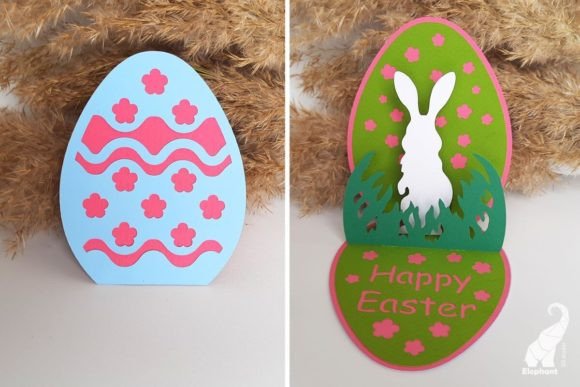
3D Easter Card Egg: A Designer’s Take on 3D SVG Assets
When a client approaches me with a request for seasonal marketing materials, the stakes are higher than they appear. It is not just about making something look festive; it is about creating a cohesive visual narrative that aligns with their brand identity while capturing the specific emotional tone of the holiday. Recently, I was tasked with developing a comprehensive launch package for a boutique handmade candle company preparing for an Easter collection. The brief required a mix of digital assets and physical packaging elements that felt premium yet approachable. This is where evaluating design assets like the 3D Easter Card Egg becomes critical. As a professional designer, I do not simply download files; I interrogate them for versatility, scalability, and aesthetic integrity.
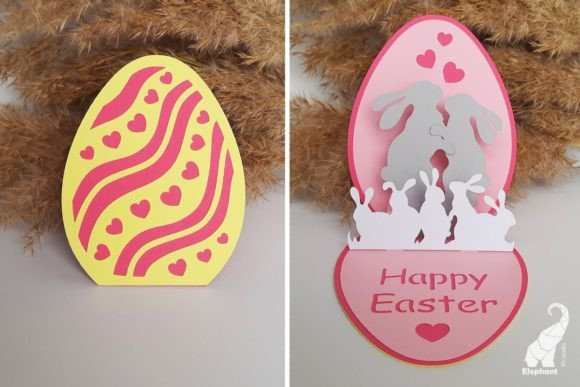
The initial impression of this asset is one of playful sophistication. Unlike flat, two-dimensional clipart that often feels dated or cheap, this 3D SVG design offers depth and dimensionality right out of the box. The shading and perspective suggest a tangible object rather than a mere illustration, which immediately elevates the perceived value of any project it touches. For a small business owner or a craft enthusiast using tools like Cricut, achieving this level of polish usually requires significant manual effort in software like Adobe Illustrator or Photoshop. Here, the heavy lifting is done for you, allowing you to focus on layout and typography.
Visual Mood and Brand Alignment
In the context of my recent client project, the goal was to move away from the cliché pastel overload that saturates the market every spring. Instead, we aimed for a modern, clean aesthetic that still honored the tradition of the season. The 3D Easter Card Egg fits seamlessly into this direction. Its three-dimensional quality allows it to act as a focal point without overwhelming the composition. It creates a mood that is cheerful but controlled, suitable for a brand that wants to be seen as trendy and thoughtful rather than cluttered.
This asset is particularly effective for brands looking to establish a strong brand identity during short-term campaigns. Whether you are designing a limited-edition product label or a social media graphic, the egg shape provides a familiar silhouette that audiences instantly recognize, while the 3D treatment adds a layer of novelty. It bridges the gap between traditional holiday imagery and contemporary modern design principles. For digital sellers and Etsy product creators, this means your listings can stand out in a crowded marketplace by offering visuals that look professionally rendered rather than hastily assembled.
Practical Applications in Real Client Work
The versatility of this graphic design asset extends far beyond simple greeting cards. In my workflow, I frequently repurpose high-quality vector elements across multiple touchpoints to ensure consistency. Here is how this asset performed in various real-world scenarios:
- Packaging Design: When placed on matte black or soft cream paper stock, the 3D effect of the egg catches the light beautifully. It works exceptionally well as a central element on product boxes or hang tags for handmade business items like soaps, candles, or jewelry.
- Social Media Graphics: For Instagram posts and Pinterest pins, the depth of the image helps it pop against busy feeds. It serves as an excellent hero graphic for announcing new collections or seasonal sales.
- Merchandise and Print-on-Demand: The clean lines of the vector file make it ideal for sublimation designs on mugs, tote bags, and t-shirts. Because it is a vector format, it scales without losing resolution, ensuring crisp prints even on large formats.
- Editorial and Web Design: On websites, this asset can be used as a decorative accent in blog headers or newsletter graphics. It adds visual interest without distracting from the primary content, maintaining a healthy visual hierarchy.
Furthermore, the asset integrates well with other design styles. It pairs nicely with sans-serif fonts for a clean, modern look, or with elegant script fonts if you want to lean into a more romantic, boutique feel. However, it clashes with overly ornate display fonts that compete for attention. The key is balance.
Strategic Placement and Limitations
No design asset is perfect, and knowing where to draw the line is what separates a good designer from a great one. While the 3D Easter Card Egg is robust, it demands respect in terms of placement. It performs best in large layout areas where its details can be appreciated. Using it as a tiny icon in a navigation bar or within a dense block of text will result in a loss of detail and a muddy appearance.
There are specific contexts where caution is advised. In minimalist branding projects that rely on negative space and extreme simplicity, a complex 3D object might feel too heavy or distracting. Similarly, in corporate environments that prioritize strict professionalism and neutrality, such a whimsical element may undermine the brand's authority. Additionally, when placing this asset on low-contrast backgrounds or busy photographic textures, you must ensure there is sufficient separation—often achieved through drop shadows or solid color blocks—to maintain readability and focus.
I also found that in crowded layouts, such as flyers with lots of text, the egg should be used sparingly. Too many competing 3D elements can create visual noise, reducing the overall impact of the message. Use it as a supporting character, not the entire cast.
Technical Checks for Professional Results
Before delivering any final work to a client, I run every asset through a rigorous checklist. Here are the essential steps you should take before incorporating the 3D Easter Card Egg into your commercial design projects:
- Test in Black and White: Convert the design to grayscale to check the contrast and structure. If the form relies solely on color to be understood, it may lack structural integrity.
- Check Scalability: Preview the SVG at both very small and very large sizes. Ensure that fine details do not disappear at smaller scales or become pixelated when enlarged.
- Review File Formats: Confirm that you have access to editable vector files (SVG/AI) for maximum flexibility. If PNG versions are included, inspect the transparency edges for jagged artifacts.
- Mockup Testing: Place the asset on realistic product mockups. How does it look printed on fabric? How does it appear on a screen? This step reveals issues that are invisible in a flat design environment.
- Licensing Verification: Always read the fine print. Even if the price is low, ensure the commercial license covers the specific type of use you intend, whether that is unlimited print runs, digital products, or end-product resale.
By treating design assets as integral components of a larger strategic plan, you elevate the final output. The 3D Easter Card Egg is more than just a cute image; it is a tool that, when used with intention, can enhance the emotional appeal and professional polish of your work. For designers, marketers, and creators looking to streamline their process without sacrificing quality, this asset proves that smart resource management leads to better creative outcomes.