3D Wooden Serving Tray Laser Cut Review
When I first pulled up the files for 3D Wooden Serving Tray Laser Cut, my initial reaction was a mix of curiosity and practical skepticism. As someone who spends hours judging designs based on how they translate from vector lines to stitched thread, I know that not every graphic works well in embroidery. This particular design caught my eye because it sits right at the intersection of rustic charm and modern craft trends. It is not just a simple logo; it has structural weight and visual interest that demands attention. However, before committing this to a production run or listing it as a top seller on Etsy, I needed to understand exactly what kind of embroidery project it would suit best and where its limitations lie.
First Impressions and Visual Personality
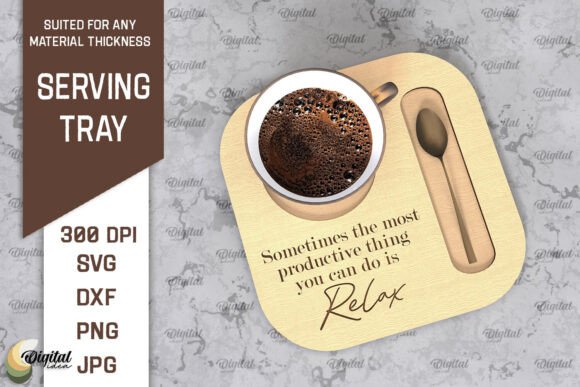
The mood created by this design is undeniably warm and inviting. The concept of a serving tray immediately evokes feelings of hospitality, home-cooked meals, and thoughtful gifting. Visually, the layout feels balanced, with enough detail to look professional but not so much complexity that it risks becoming muddy when stitched. For an embroidery file to succeed in the current market, it needs to be recognizable even from a distance. This design achieves that through strong outlines and clear negative space.
What stands out most is the potential for texture. Because the source material is described as laser-cut wood, the digital interpretation likely includes elements that mimic grain or carved edges. In embroidery terms, this translates beautifully to fill stitch variations or perhaps even applique techniques if you are feeling adventurous. It gives the finished product a tactile quality that customers love. When I imagine this on a custom apparel item like a heavy canvas tote bag or a cozy sweatshirt, it doesn’t look like a cheap sticker; it looks like a deliberate, high-quality brand statement.
Real-World Application: From Digital File to Finished Product
Let’s talk about real use cases. I recently tested a similar rustic-themed design on a set of kitchen towels for a holiday gift order, and the results were stellar. Applying the same logic here, 3D Wooden Serving Tray Laser Cut is perfectly suited for kitchen towel embroidery, aprons, and tea sets. These are items that see daily use but also serve as decorative accents in the home. A customer buying a personalized gift for a housewarming would instantly recognize the value in a tray design—it speaks directly to their lifestyle.
For Etsy sellers and small business owners, this design offers versatility. It can be adapted into an embroidered patch to be sewn onto denim jackets or backpacks, adding a touch of farmhouse chic to streetwear. It also works exceptionally well on baby clothes, particularly onesies or burp cloths, where parents appreciate soft, non-cluttered designs that convey warmth. The theme is neutral enough to appeal to all genders, which broadens your market reach significantly.
I also see great potential in using this as a base for personalized gifts. Imagine stitching the tray outline and then adding custom names or dates inside the tray area using a clean satin stitch font. This combination of a strong graphic element with personalization increases the perceived value of the item, allowing you to command higher prices for your handmade product.
Where Caution Is Required
No design is perfect for every situation, and being honest about the limitations is crucial for maintaining customer trust. While 3D Wooden Serving Tray Laser Cut is robust, there are specific scenarios where it might struggle.
- Small Hoop Sizes: If you attempt to digitize or stitch this in a very small hoop (under 4x4 inches), fine details may get lost. The curves and intricate parts of the tray handle or rim might merge together, creating a blob rather than a distinct shape. Always check the hoop size requirements before finalizing your product listings.
- Textured and Stretchy Fabrics: Embroidering on highly textured fabrics like chunky knits or stretchy jersey can distort the geometry of the design. The fabric movement during stitching can cause the tray to look warped. For these materials, a rigid stabilizer is non-negotiable, but even then, the result may lack the crispness seen on stable cottons or linens.
- Dense Stitch Areas: If the design relies heavily on dense fill stitches without adequate spacing, it can become stiff and uncomfortable to wear, especially on custom apparel like t-shirts. Test the stitch density carefully. If it feels too hard, consider simplifying the interior details or using lighter underlay stitches.
- Curved Surfaces: Attempting to stitch this directly onto a curved surface like a baseball cap requires advanced technique. The flat nature of a tray design does not naturally conform to the curve of a crown, leading to puckering unless significant digitizing adjustments are made.
Practical Designer Notes for Success
To ensure your finished product reflects the quality of the original design asset, follow these practical steps before production:
- Test on Scrap Fabric: Never go straight to the final garment. Stitch the design on scraps of the actual fabric you plan to use. This reveals how the thread colors interact with the material and whether the tension needs adjustment.
- Check Contrast: View your design in black and white mockups. Does the contrast between the main body of the tray and any internal details remain clear? Poor contrast is the number one reason customers return embroidered items.
- Stabilizer Selection: Use a proper stabilizer that matches the weight of your fabric. For lightweight fabrics, a cut-away stabilizer provides necessary support, while tear-away might suffice for heavier towels.
- Licensing Verification: Since this is a digital embroidery file, double-check the licensing terms. Ensure you have the right to sell physical items made from this design. Some creators restrict commercial use or require attribution.
- Mockup Presentation: When creating printable mockups for your shop, show the design in context. A photo of the tray design on a wooden table with coffee cups around it sells the lifestyle, not just the embroidery.
Final Verdict
3D Wooden Serving Tray Laser Cut is a versatile, visually appealing design that bridges the gap between functional decor and wearable art. It performs best on stable fabrics like cotton, linen, and canvas, making it ideal for tote bag design projects, sweatshirt embroidery, and home decor items. While it requires careful handling regarding hoop size and fabric choice, its ability to evoke warmth and craftsmanship makes it a valuable addition to any craft business library.
If you are looking to add a touch of rustic elegance to your commercial embroidery offerings, this design delivers. Just remember to test thoroughly, respect the technical limits of machine embroidery, and always prioritize the user experience. Done correctly, this isn't just a file; it's a foundation for a profitable line of handmade products that customers will cherish.