Howling Wolf 3D Shadow Box Review
In the world of content marketing and brand design, visual hierarchy is everything. When I review a new graphic design asset, I am not just looking at aesthetics; I am evaluating its potential to communicate a message quickly, emotionally, and professionally. Recently, I examined the The Howling Wolf 3D Shadow Box, a unique piece that leverages depth and layering to create a striking visual narrative. This review explores how this asset fits into modern branding workflows, particularly for small business owners, digital sellers, and creative entrepreneurs who need high-impact visuals without starting from scratch.
First Impressions: Mood and Audience Perception
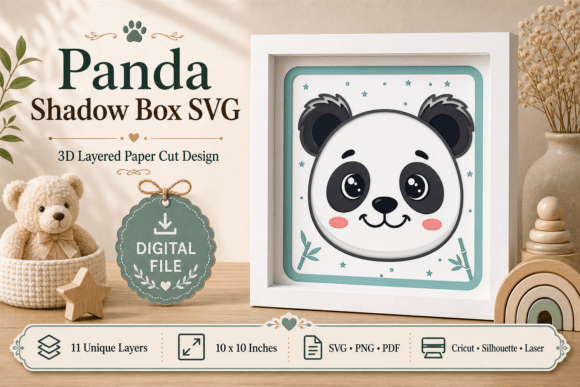
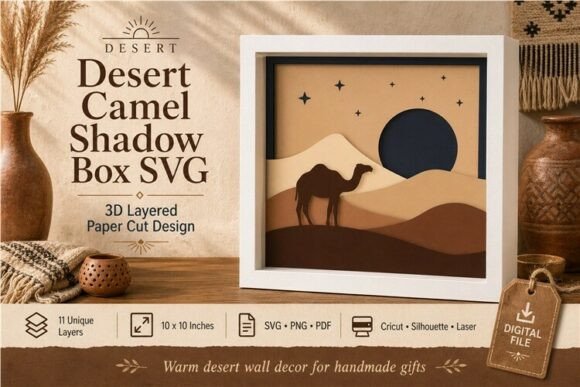
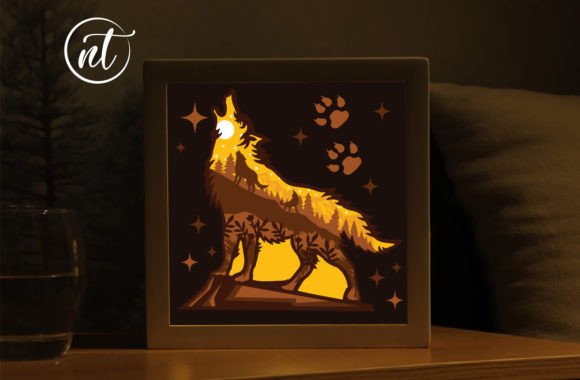
The first thing that strikes me about the Howling Wolf 3D Shadow Box is its atmospheric quality. It does not feel like a flat, generic illustration. Instead, it carries a sense of mystery, strength, and raw emotion. The concept relies on stacking materials to create depth, which translates digitally into a powerful sense of dimension. As described in its technical notes, the design mimics physical construction: The Howling Wolf 3D Shadow Box is created by gluing several layers of paper. Between each layer of paper, put a 5mm foam board to create a distance. It helps to create 3D space for the shadow box. This structural approach gives the asset a tactile feel, even when viewed on a screen.
For brand owners, this mood is versatile. It works exceptionally well for brands that want to convey resilience, freedom, or a connection to nature. However, it is less suitable for ultra-minimalist corporate identities or soft, pastel-heavy lifestyle brands. The emotional tone is bold and slightly rugged, making it ideal for outdoor gear, artisanal products, or brands with a strong, adventurous personality. When used correctly, it signals to the audience that the brand is confident and substantial.
Real-World Application in Marketing Campaigns
To understand the true value of this asset, imagine a real-world scenario. A small business owner launching a line of handcrafted leather goods or a boutique coffee roaster wants to refresh their social media presence. They need visuals that stop the scroll on Instagram and Pinterest. Standard product photos are good, but they lack a "hook." By integrating the Howling Wolf 3D Shadow Box as a background element or a central graphic in their campaign headers, they add a layer of sophistication and intrigue.
This asset supports various stages of the customer journey:
- Social Media Graphics: Use the wolf as a focal point for Instagram posts announcing new arrivals. The 3D effect draws the eye immediately, increasing engagement rates.
- Pinterest Pins: Create vertical pins where the shadow box graphic serves as the main image, paired with bold typography for blog titles or seasonal offers.
- Email Banners: Include the asset in header images to set a premium tone for newsletter campaigns, enhancing audience trust through professional presentation.
- Digital Ads: In Facebook or Google ads, the distinct shape and depth help the ad stand out against cluttered feeds, improving click-through rates.
Furthermore, this asset is not limited to digital use. It can be printed as part of a printable design for packaging inserts, thank-you cards, or event flyers. The layered aesthetic suggests craftsmanship, which aligns perfectly with handmade or artisanal product branding.
Supporting Brand Identity and Visual Consistency
A strong brand identity relies on consistency and recognition. The Howling Wolf 3D Shadow Box can serve as a recurring motif in your design assets. For instance, you might use variations of the wolf in different color palettes to match seasonal themes—cool blues for winter launches, warm oranges for autumn promotions. This flexibility allows for modern design approaches that keep your brand feeling fresh while maintaining core visual elements.
The asset also aids in visual hierarchy. Because the wolf graphic has significant visual weight, it can anchor a composition. Place it behind text to ensure readability while still providing context. This technique is crucial for editorial design and web design, where you need to guide the viewer’s attention to key calls to action. By using this asset strategically, you improve product presentation and create a more memorable campaign experience.
Strategic Placement and Creative Opportunities
Where does this asset shine brightest? Here are specific applications for content creators and marketers:
- Hero Graphics: Use it as the main image on landing pages for product launches.
- Campaign Headers: Set the tone for email sequences or webinars with a themed header.
- Packaging Accents: Print on stickers or tags to add a premium touch to unboxing experiences.
- Content Bundles: Include it in Canva templates or digital product visuals for sale to other creatives.
- Merchandise: Adapt the design for t-shirts, mugs, or posters, leveraging its strong silhouette.
When integrating this into your workflow, consider how it pairs with typography. The rugged, layered look of the wolf complements serif fonts for a classic, editorial feel, or sans-serif fonts for a clean, modern contrast. It can also work with display fonts if you want to emphasize a headline. Avoid pairing it with overly decorative script fonts unless you are aiming for a very specific, eclectic aesthetic.
Limitations and Careful Considerations
No single asset is a silver bullet. There are situations where the Howling Wolf 3D Shadow Box should be used carefully. It may clash with formal corporate branding that requires a sterile, predictable look. In dense information layouts, such as complex infographics, the detailed layers of the wolf could compete with data points, causing confusion. Additionally, on small mobile screens, intricate details might get lost if the resolution is not optimized.
Be mindful of background contrast. Since the asset likely features dark shadows and highlights, placing it on a low-contrast background can reduce its impact. Also, avoid using it in designs where the main message is already text-heavy; let the graphic support the text, not replace it. For small business branding, ensure that the wolf’s wild energy aligns with your overall brand voice. If your brand is about calmness and simplicity, this asset might introduce too much visual noise.
Practical Designer Notes for Implementation
Before adding this asset to your toolkit, follow these practical steps to ensure it enhances your marketing efforts:
- Test Color Palettes: Import the SVG into your design software and apply your brand colors. Ensure the shades maintain the depth and clarity of the original design.
- Check Black and White Usage: Convert the asset to grayscale to see if the structure holds up without color. This tests the strength of the visual hierarchy.
- Mockup Testing: Place the graphic inside real campaign mockups, such as a phone screen or a printed flyer, to gauge scale and placement.
- Readability Check: Preview the design on mobile devices. Ensure that any text overlaid on the graphic remains legible.
- Competitor Analysis: Compare your final design against competitor visuals. Does the wolf make your brand stand out, or blend in?
- Licensing Verification: Confirm commercial licensing before using the asset in paid campaigns or client work. Ensure you have the right to modify and distribute the SVG design or PNG design as needed.
In conclusion, the Howling Wolf 3D Shadow Box is more than just an illustration; it is a strategic tool for enhancing content marketing and professional branding. Its ability to create depth and evoke emotion makes it a valuable addition to any designer’s library. By understanding its strengths and limitations, you can leverage this asset to build stronger connections with your audience and elevate your brand’s visual presence.