Mushroom Fairy House 3D SVG for Laser Cutting and Home Decor
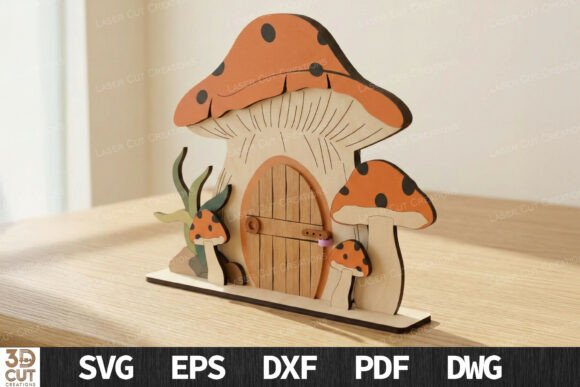
When I first opened the files in my design software, the Mushroom Fairy House 3D SVG immediately caught my eye. As someone who spends hours tweaking vector lines and testing cut settings for handmade product creation, I look for assets that balance charm with structural integrity. This design brings a distinct woodland magic to the table. It feels cozy, whimsical, and undeniably cute, appealing strongly to buyers who love cottagecore aesthetics, fantasy themes, or unique nursery decor.
The visual personality of this asset suggests a premium yet approachable style. It is not overly minimalist, nor is it chaotic. Instead, it offers a layered, textured look that translates beautifully into physical products. Whether you are preparing for a busy holiday season or looking to expand your Etsy shop’s home decor collection, this file provides a solid foundation for creating memorable items.
Real-World Crafting Applications
One of the biggest challenges in the handmade business is finding versatile graphics that work across multiple product lines. The Mushroom Fairy House 3D SVG shines because it bridges the gap between digital printables and physical crafts. For instance, if you run a print-on-demand store, this illustration can serve as a stunning focal point for wall art, greeting cards, and gift tags. The intricate details hold up well when printed at high resolution, making it perfect for scrapbooking pages or planner stickers where customers appreciate fine artistry.
For those working with cutting machines like Cricut or Silhouette, this asset opens up exciting possibilities. While the description mentions it is designed for layered wood crafting, the vector structure allows for creative adaptation. You can use the layers to create dimensional vinyl decals for laptops, water bottles, or car windows. Imagine a multi-layered mushroom house applied to a dark-colored tumbler wrap; the contrast would be striking and highly marketable.
In the realm of sublimation design, this graphic can be adapted for mugs, tote bags, and aprons. By adjusting the color palette—perhaps using earthy tones for a rustic vibe or pastel hues for a spring collection—you can target different customer segments. The design’s clean lines ensure that even when scaled down for smaller items like planner stickers or journaling cards, the shapes remain distinct and recognizable.
Ideal Use Cases for Handmade Sellers
Not every design fits every product, so it is crucial to identify where this asset performs best. The Mushroom Fairy House 3D SVG excels in large-format applications where detail can breathe. Think decorative accents for entryway tables, personalized nursery signs, or framed prints for living rooms. In these contexts, the "Home Decor" category truly comes alive, allowing you to charge a premium price point for what is essentially a digital download or a carefully crafted physical piece.
Seasonal craft bundles are another excellent avenue. This woodland theme transitions seamlessly from summer festivals to autumn harvest markets. You can pair it with fall leaves or spring flowers to create themed collections for craft fairs. Small business branding benefits greatly from such cohesive visuals. Using this consistent aesthetic across your packaging, thank-you cards, and social media mockups helps build a recognizable identity for your shop.
Additionally, this design works wonderfully for personalized items. Because it is a vector-based SVG design, you can easily add names or dates without compromising the artwork’s quality. Personalized fairy doors for children’s rooms or custom wedding favors featuring this motif can drive higher engagement on creative marketplaces. The emotional connection customers feel toward magical, storybook-inspired designs often leads to repeat purchases and positive reviews.
Technical Considerations and Best Practices
While the potential is high, there are technical aspects to consider before rushing into production. First, always check if the SVG lines are clean and properly closed. Loose nodes or overlapping paths can cause cutting errors, especially in intricate areas. If you plan to use this for laser cutting, verify that the layer thicknesses align with your material specifications. Although originally intended for 3mm plywood, thinner materials may require adjustments to prevent warping or burning.
For digital products, preview the PNG transparency to ensure no unwanted backgrounds appear during display. When adapting this for sublimation design, confirm the resolution is sufficient for large prints. Low-resolution images will pixelate, ruining the professional look of your final product. Test colors thoroughly on both white and dark substrates to understand how they interact with your base material.
Placement matters just as much as the design itself. Experiment with different layouts on real mockups to see how the composition balances with other elements. You might find that simplifying the layout slightly enhances readability, particularly for small sticker sizes or crowded compositions. Pairing the graphic with complementary typography—such as a delicate script font for personalization or a bold serif font for titles—can elevate the overall presentation.
Common Pitfalls to Avoid
Certain applications require caution. Very small cutting details may get lost if the material is too thick or the blade pressure is incorrect. Thin lines in crowded compositions can break during the cutting process, leading to frustrated customers. Similarly, low-contrast colors might fail to stand out on certain backgrounds, diminishing the impact of the design. Always test prototypes before scaling up production for customer orders or handmade business products.
Layered vinyl projects demand extra attention to registration marks and alignment. If the layers do not line up perfectly, the 3D effect can look misaligned rather than intentional. To mitigate this, practice assembling the layers manually before committing to mass production. This hands-on approach ensures that your finished goods meet the high standards expected by discerning buyers.
Commercial Licensing and Business Strategy
Before using any graphic design asset for commercial purposes, it is imperative to review the license agreement. Ensure you have a valid commercial license that permits selling finished products derived from the design. Some creators restrict the number of items sold or prohibit resale of the digital file itself. Understanding these terms protects your small business from legal issues and builds trust with your audience.
Integrating this asset into your product strategy requires thoughtful planning. Start by identifying which of your existing products could benefit from a fresh, magical touch. Perhaps your current lineup lacks nature-inspired themes, or maybe you want to introduce a new seasonal collection. By strategically placing the Mushroom Fairy House 3D SVG in targeted niches, you can attract new customers while retaining loyal ones who appreciate your evolving style.
Finally, remember that success in the handmade industry often comes down to storytelling. Share behind-the-scenes content showing how you transform this digital design into tangible treasures. Show the cutting process, the assembly of layers, and the final packaging. These narratives connect emotionally with buyers, turning simple transactions into meaningful experiences. With careful execution and strategic marketing, this charming woodland design can become a cornerstone of your creative marketplace presence.