Review: DIY Humming Bird 3d Papercraft for Embroidery
As a designer who spends half my life staring at stitch density charts and the other half worrying about how a design will hold up after ten washes, I approach every new file with a mix of skepticism and hope. Recently, I came across DIY Humming Bird - 3d Papercraft, a digital asset that immediately caught my eye. At first glance, it looks like a standard papercraft template, but when you start thinking about its potential translation into textile art, the possibilities become quite interesting. This review isn’t just about assembling paper; it’s about evaluating whether this specific shape and composition can work effectively as an embroidery project for your small business, Etsy shop, or personal creative outlet.
The First Impression: Mood and Visual Personality
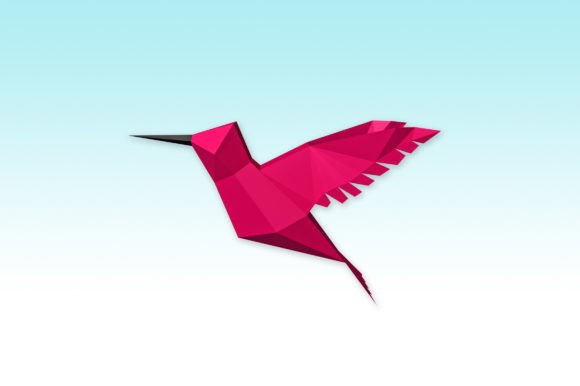
The moment you open the files, which include PDF, EPS, DXF, and PNG formats, you are presented with a geometric interpretation of a hummingbird. The "3D SVG" nature of the source material suggests sharp angles and folded planes rather than soft, organic curves. For an embroidery designer, this is a crucial distinction. Soft curves translate easily into satin stitches, but sharp geometric lines require precision. The mood here is modern, crisp, and architectural. It feels less like a whimsical garden scene and more like a contemporary piece of nursery decor or a minimalist accessory.
I found myself imagining this design not just as a flat patch, but as a structured element on a garment. The assembled size of 23 x 11 x 37 CMS indicates a substantial presence. In the world of custom apparel, this is large enough to be a statement piece but compact enough to fit comfortably on a chest pocket or the center back of a sweatshirt. The visual personality is playful yet sophisticated, making it suitable for a wide range of audiences, from young parents looking for unique baby items to adults seeking distinctive home accents.
Real-World Application: From Digital File to Finished Product
Let’s talk about practical use. I recently had a client request a personalized gift set for a baby shower, specifically asking for something that wasn’t the usual teddy bears or clouds. They wanted something energetic and bright. I pulled up the DIY Humming Bird - 3d Papercraft design to see if it could be adapted. The geometric nature of the bird actually lends itself beautifully to applique techniques. By using contrasting fabrics for the different "panels" of the bird, you can mimic the 3D effect without needing complex stitching algorithms.
Imagine this on a high-quality cotton muslin onesie. The clean lines of the design would stand out against the soft fabric, creating a tactile experience that babies love. Alternatively, consider this as a tote bag design. A sturdy canvas tote featuring this embroidered bird becomes an instant conversation starter. The geometric shapes allow for bold color blocking. You could use a vibrant thread color for the body and a neutral tone for the wings, creating a striking contrast that draws the eye. This kind of visual appeal is exactly what drives engagement on platforms like Etsy, where buyers scroll quickly and are drawn to images that pop.
For holiday embroidery, this design offers versatility. The hummingbird theme works year-round, but by changing the thread colors—perhaps using reds, greens, and golds—you can adapt it for Christmas, while keeping it fresh and spring-like for Easter. The ability to switch contexts so easily adds significant value to your inventory as an Etsy seller or small shop product creator.
Where to Use It Carefully: Technical Considerations
While the design has strong potential, there are areas where a designer needs to exercise caution. Not every surface is created equal. If you plan to use this on curved surfaces like caps or hats, you must ensure your hoop stability is perfect. The 3D aspect of the original papercraft implies depth, but in embroidery, depth comes from layering and texture. On a curved cap, maintaining consistent tension across those sharp geometric lines can be challenging. If the fabric pucker, the crispness of the design is lost.
Furthermore, consider the fabric texture. This design relies on clear definition between its parts. Using a heavily textured fabric, like a thick boucle wool or a loose-weave linen, might obscure the finer details of the bird’s form. For best results, stick to smooth, tightly woven fabrics such as cotton twill, denim, or high-quality jersey. Also, be mindful of stretchy fabrics. While stretchy knits are popular for sweatshirt embroidery, they require a strong stabilizer to prevent the design from distorting during washing. Without proper support, those sharp angles may warp, turning a professional-looking finished product into something that looks amateurish.
Stitching Strategy and Design Assets
When translating this digital embroidery file into stitch code, you need to think about stitch density. The geometric panels should likely be filled with a dense fill stitch to provide structure, while the edges might benefit from a tight satin stitch to keep the fabric from fraying and to give a polished look. However, because the original design is based on a papercraft model, some of the internal lines might be better represented by running stitches or even omitted entirely to reduce bulk. Over-stitching can make a garment stiff and uncomfortable, especially for baby embroidery items where softness is paramount.
I also recommend testing the design in black and white mockups before committing to expensive threads. This helps you evaluate the balance of positive and negative space. Does the bird feel too heavy on one side? Is there enough breathing room around the edges? These questions are critical for ensuring brand consistency and professionalism in your final offerings. Additionally, always inspect small details. In the digital realm, a tiny line looks fine. In reality, if it’s too small, the machine might skip stitches, resulting in a muddy appearance. If you encounter issues, consider simplifying the detail level slightly to maintain clarity.
Final Verdict for Creative Entrepreneurs
The DIY Humming Bird - 3d Papercraft is more than just a fun craft project; it is a versatile design asset that can elevate your handmade products. Its modern aesthetic and adaptable structure make it suitable for everything from personalized gifts to commercial merchandise. However, success lies in the execution. Choose your fabrics wisely, invest in good stabilizers, and test thoroughly. When done right, this design can become a staple in your catalog, appealing to customers who appreciate unique, well-crafted details. It bridges the gap between traditional papercraft charm and modern textile design, offering a fresh perspective for anyone looking to expand their creative repertoire.
If you are ready to bring this design to life, remember to check the licensing terms before selling finished items. Ensure you have the rights to use the design assets commercially. With careful planning and attention to detail, this hummingbird can fly off your shelves—or rather, stay firmly stitched onto your customers’ favorite garments. Happy designing!