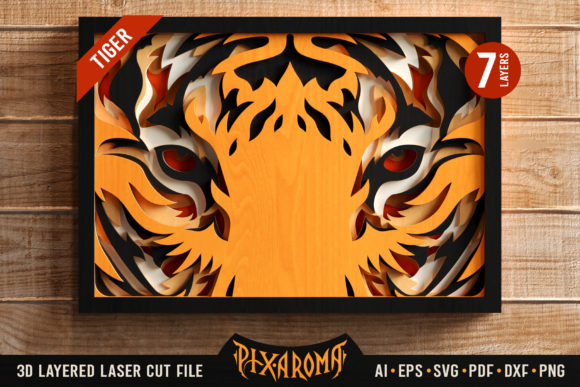
Tiger 3D Layered Animal Laser Cut File for Shadow Boxes and Branding
In the world of content marketing and visual storytelling, first impressions are everything. As a brand designer who has spent years refining visual hierarchy and audience perception, I recently evaluated a specific graphic design asset that caught my eye: the Tiger 3D Layered Animal Laser Cut File. This isn't just another clipart image; it is a structural design element intended for Laser Cutting and physical assembly, yet its potential extends far beyond the craft table into the realm of high-end digital branding and commercial design.
The product description invites you with a warm tone: "Hello and welcome to my shop Tiger 3D Layered Animal Laser Cut File Tiger Wall Art Get your very own Tiger wall art A perfect addition to any space in your home or office. Bring nature s beauty right." While this language targets the DIY enthusiast, from a marketing perspective, we need to look deeper. How does this asset perform when integrated into a cohesive brand identity? Can it elevate a small business’s social media presence without looking cluttered or amateurish? Let’s break down the practical application of this asset for modern creators.
First Impressions and Emotional Tone
When you first encounter the Tiger 3D Layered Animal Laser Cut File, the immediate mood is one of depth and dimensionality. Unlike flat vector illustrations, this asset relies on layering to create shadow and perspective. In branding, this translates to a feeling of sophistication and craftsmanship. It suggests that the brand behind it values detail, quality, and a tactile experience.
This emotional tone is versatile. It works exceptionally well for brands that want to convey strength, wildness, or natural elegance. For a lifestyle blog focusing on outdoor adventures, a premium pet food brand, or a boutique home decor shop, this asset provides an instant anchor for visual consistency. It moves away from the generic and toward a more editorial aesthetic. The layered nature of the tiger creates a natural focal point, which is crucial for capturing attention in crowded social media feeds. It feels less like a decoration and more like a statement piece, which can significantly boost the perceived value of whatever product or service it accompanies.
Real-World Marketing Applications
To truly understand the utility of this asset, let’s frame it within a real marketing project. Imagine a small business launching a new line of artisanal leather goods or a seasonal campaign for a wildlife conservation nonprofit. They need visuals that stand out on Instagram and Pinterest but also work as part of a broader content kit.
The Tiger 3D Layered Animal Laser Cut File can serve as the hero graphic for these campaigns. Here is how it integrates into various touchpoints:
- Social Media Graphics: Use the layered tiger as a background element for Instagram posts. By placing bold typography over the negative space created by the layers, you achieve a striking contrast that stops the scroll.
- Pinterest Pins: Pinterest favors vertical, visually rich images. This asset’s depth makes it ideal for pin designs that promise a "premium" feel, driving higher click-through rates for blog posts about interior design or creative crafts.
- Email Banners: Incorporate the tiger into header images for newsletters. Its organic shapes soften the rigid structure of email templates, making communications feel more personal and engaging.
- Packaging Design: If you are designing physical products, this asset can be used to create custom packaging inserts or labels. The concept of Shadow Boxes and layered paper art can be replicated digitally on packaging to suggest unboxing excitement.
- Digital Ads: For Facebook ads promoting handmade goods, using this asset signals quality. It differentiates the ad from competitors using stock photos, helping to build audience trust through unique visual assets.
The asset supports key marketing goals by providing a stronger first impression. When a user sees a cohesive use of this layered tiger across a website header, a lead magnet, and a social post, they perceive a professional brand. This consistency reduces cognitive load for the viewer, allowing them to focus on the message rather than deciphering messy visuals.
Strategic Placement and Visual Hierarchy
Not every brand asset fits every layout. The Tiger 3D Layered Animal Laser Cut File is powerful, but it demands respect in terms of spacing and balance. It shines brightest when used as a decorative brand element or a hero graphic where it can breathe.
I recommend placing this asset in areas where you want to draw the eye without overwhelming the text. For example, use it as a watermark behind testimonials, or as a border element for event flyers. It pairs beautifully with serif fonts for a classic, elegant look, or with clean sans-serif fonts for a modern, minimalist approach. However, avoid pairing it with script or handwritten fonts unless you are highly skilled in typography, as the complexity of the tiger may clash with the flow of cursive letters.
Consider the context of modern design. In an era where minimalism often rules, adding a complex, layered animal figure can add necessary personality. It breaks the monotony of white space and adds a touch of wild creativity. This is particularly effective for small business branding that wants to appear established yet approachable.
Where to Exercise Caution
While versatile, this asset has limitations. It should be used carefully in formal corporate branding where strict adherence to conservative aesthetics is required. A law firm or a financial institution might find the tiger too informal or distracting.
Additionally, avoid using this asset in dense information layouts. Because it is visually heavy, it competes for attention. If your goal is to convey complex data or detailed instructions, the tiger may become a distraction rather than a helper. Similarly, be cautious with small mobile graphics. At tiny sizes, the intricate layers of a laser cut file can blur together, losing their impact and potentially creating a muddy appearance. Always preview your designs on actual mobile screens to ensure readability and clarity.
Low-contrast backgrounds are another pitfall. If you place a dark tiger on a dark background, or a light tiger on a light background, the depth effect will vanish. Ensure there is sufficient contrast to maintain the illusion of three-dimensionality.
Practical Designer Notes for Implementation
Before integrating the Tiger 3D Layered Animal Laser Cut File into your commercial workflow, consider these technical checks:
- Color Palette Testing: Test the asset against your brand colors. Does it harmonize, or does it clash? You may need to adjust the hue or saturation to match your existing palette.
- Black and White Review: Check how the asset looks in grayscale. This helps determine if the layering still provides enough visual interest without color support.
- Mockup Integration: Place the asset inside real campaign mockups. See how it interacts with shadows, lighting, and other graphical elements.
- Font Pairing: Experiment with different font styles. Compare the tiger against display fonts for headlines and body fonts for descriptions to ensure a balanced typographic hierarchy.
- Commercial Licensing: Confirm the commercial license before using this asset in paid campaigns or client work. Understanding the rights ensures you can scale your usage without legal issues.
Ultimately, the Tiger 3D Layered Animal Laser Cut File is more than just a SVG design or a PNG design; it is a tool for creating memorable campaign visuals. Whether you are a blogger, a publisher, or a digital seller, incorporating such distinctive assets can elevate your brand identity and strengthen your connection with your audience. By treating this asset with strategic intent, you transform a simple graphic into a cornerstone of your professional branding efforts.