3D Papercraft Rhino Head: 3D SVG Animals Review
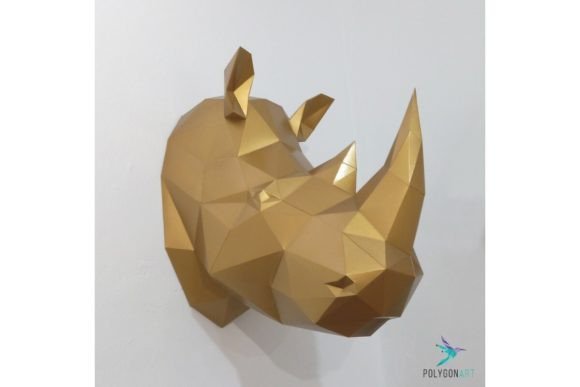
In the fast-paced world of content marketing and brand design, visual assets are not just decorations; they are strategic tools that dictate how an audience perceives a business before they even read a single word. As a brand designer who has spent years refining visual identities for small businesses and digital creators, I approach every new asset with a critical eye. Does it add value? Does it elevate the brand? Or does it clutter the message? Recently, I evaluated a specific graphic design asset called the 3D Papercraft Rhino Head. This is a 3D SVG product categorized under Animals, designed as a thoughtfully crafted DIY project with intricate details. My goal was to determine if this polygon art piece could transition from a hobbyist craft to a legitimate component of professional marketing visuals.
First Impressions: Mood and Emotional Tone
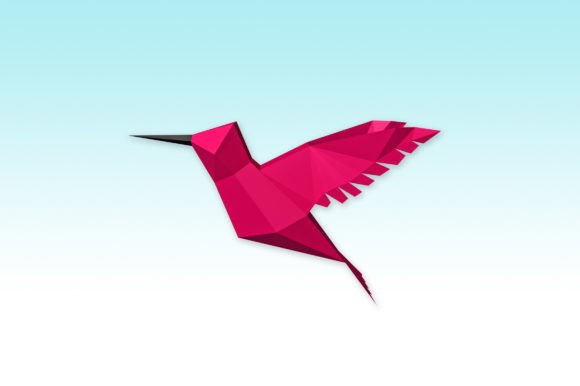
When you first load the file for the 3D Papercraft Rhino Head, the immediate takeaway is its geometric precision. Unlike soft, organic illustrations, this design relies on sharp angles and folded planes, creating a modern, architectural aesthetic. The mood it creates is one of strength, stability, and playful sophistication. For a brand owner or social media manager, this translates to an emotional tone that is bold yet approachable. It does not feel childish, despite being a "paper craft" style, because the execution is clean and the lines are deliberate.
This aesthetic is particularly effective for brands that want to stand out in a feed saturated with flat vector icons and stock photography. The 3D effect adds depth without requiring complex rendering software, making it an excellent choice for lifestyle content, handmade product promotions, or editorial graphics that need a touch of whimsy without sacrificing professionalism. It feels suitable for casual branding but can easily be elevated for premium visuals if paired with high-quality typography and ample negative space.
Real-World Application: A Seasonal Launch Scenario
To truly test the utility of this asset, imagine a real marketing scenario. Let’s say you are a small business owner launching a new line of sustainable home goods or perhaps an online coach promoting a "strength-based" leadership course. You are refreshing your social media visuals and preparing a digital campaign for a seasonal offer. You need visuals that stop the scroll but also communicate durability and care.
In this workflow, the 3D Papercraft Rhino Head becomes more than just a picture; it becomes a visual anchor. You might use it as a hero graphic for a Pinterest pin highlighting the robustness of your materials. Alternatively, it could serve as a decorative element on a packaging insert, reinforcing the idea that your product is carefully constructed, much like the paper craft itself. By integrating this SVG design into your content kit, you create a cohesive narrative that ties your physical products to your digital presence, enhancing brand identity through consistent visual language.
Performance Across Marketing Channels
The versatility of this 3D SVG asset allows it to perform well across various marketing channels, provided it is used with intention. Here is how it integrates into common design needs:
- Social Media Graphics: On Instagram posts and Facebook ads, the rhino head acts as a strong focal point. Its distinct shape cuts through the noise of typical imagery. It works exceptionally well for Stories or Reels covers where a bold, recognizable icon is needed.
- Packaging Design: If you are designing product labels or box inserts, this illustration adds a tactile quality to digital files. It suggests craftsmanship, which builds audience trust and implies that the contents are made with attention to detail.
- Web Design and Email Banners: Used sparingly, it can break up text-heavy layouts in email newsletters or serve as a unique accent in website headers. It supports clearer visual hierarchy by guiding the eye toward calls-to-action.
- Editorial and Lead Magnets: For bloggers and publishers, including this PNG design in lead magnets or downloadable guides adds a layer of creative flair that makes the content feel more premium and memorable.
By incorporating this asset, you achieve stronger recognition and improved engagement. The unique style helps differentiate your brand from competitors who may be using generic clipart, ultimately supporting better product presentation and a more professional appearance.
Strategic Placement and Visual Hierarchy
Not every placement is created equal. To maximize the impact of the 3D Papercraft Rhino Head, consider these optimal use cases:
- Hero Graphics: Use it as the central element in campaign headers to immediately grab attention.
- Branded Templates: Integrate it into Canva templates for social media managers to ensure consistency across multiple posts.
- Promotional Banners: Pair it with bold headlines for event flyers or limited-time offers.
- Decorative Brand Elements: Use smaller versions as watermarks or corner accents on digital documents.
However, caution is required. This asset should be used carefully in formal corporate branding where a serious, minimalist tone is paramount. It may also struggle in dense information layouts or small mobile graphics where the intricate polygon details become muddy. Avoid placing it on low-contrast backgrounds, as the depth of the 3D effect will be lost. Furthermore, do not let the asset compete with your main message; if your ad is text-heavy, the rhino should be a subtle background element, not the primary focus.
Practical Designer Notes for Implementation
Before adding this design asset to your commercial library, there are several technical checks every brand designer should perform. First, test it against your existing brand color palette. Since it is a 3D SVG, you can manipulate the shading and colors to match your primary and secondary hues, ensuring seamless integration. Check how it looks in black and white usage, as this reveals the strength of the underlying geometry.
Place the asset inside real campaign mockups and preview it on mobile screens. Readability in small sizes is crucial; if the polygons blur together, the asset loses its impact. Compare it against competitor visuals to ensure it doesn’t look too similar to other popular trends. Typography pairing is also key: this geometric shape pairs beautifully with sans serif fonts for a modern look, or display fonts for a playful vibe. Be cautious with script or handwritten fonts, as they may clash with the angular nature of the rhino. Finally, review spacing and balance, and always confirm commercial licensing before using it in paid campaigns, client work, or business branding. This ensures you avoid legal pitfalls while leveraging a powerful tool for content marketing and visual storytelling.
In conclusion, the 3D Papercraft Rhino Head is a versatile and striking design asset. When used strategically, it enhances brand identity, supports creative design goals, and helps small business branding resonate with audiences seeking both quality and creativity. It is a valuable addition to any designer’s toolkit for creating memorable, professional visuals.