DIY Nude Pump - 3d Papercraft
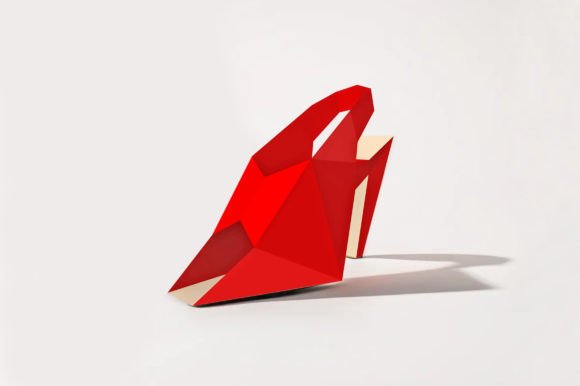
As a designer who spends half the day troubleshooting stitch density and the other half judging whether a design actually looks good on a finished garment, I approach every new file with a healthy dose of skepticism. Most digital assets promise the world but deliver a tangled mess of thread when pulled from the hoop. However, when I first laid eyes on DIY Nude Pump - 3d Papercraft, my initial reaction was less about immediate embroidery utility and more about its fascinating structural potential. This is not your standard floral monogram or simple logo. It is a complex geometric representation of footwear that demands respect, precision, and a very clear understanding of what you are trying to achieve.
The file is categorized under Shapes and labeled as a 3D SVG. At first glance, this might seem like a contradiction for an embroidery-focused workflow. After all, how does a papercraft template translate to needle and thread? The answer lies in the intent. This design is built for makers who want to create dimensional, tactile products. Whether you are an Etsy seller looking for a unique boutique item or a hobbyist crafting personalized gifts, this design offers a bridge between flat digital files and tangible, sculptural reality. But before you load it into your machine, let’s break down how this actually performs in real-world scenarios.
First Impressions: Mood and Visual Personality
The visual personality of the DIY Nude Pump - 3d Papercraft is sophisticated yet playful. The nude color palette suggests elegance, making it ideal for bridal themes, high-end fashion accessories, or minimalist home decor. When I imagine this design stitched out, it doesn’t scream for attention like a bright neon graphic; instead, it whispers quality. It feels editorial, like something you would see pinned to a mood board in a high-fashion studio.
From a design perspective, the layout relies heavily on clean lines and distinct sections. This is crucial because it allows the eye to separate the different components of the shoe—the heel, the toe box, and the strap. In embroidery terms, this modularity is a gift. It means you can experiment with different stitch types for different parts of the shoe without creating a muddy, indistinguishable blob. A satin stitch on the edges can define the structure, while fill stitches inside can add texture and depth. The result is a piece that feels constructed rather than just printed.
Real-World Application: Where Does This Fit?
I recently tested this concept by imagining it as part of a custom embroidered tote bag for a small business launch. The idea was to use the pump design as the central focal point, surrounded by minimal text branding. Because the design has such a strong silhouette, it reads clearly even from a distance. This makes it perfect for tote bag design projects where visibility is key.
Similarly, consider the application on sweatshirt embroidery. A nude pump motif on a neutral-colored hoodie creates a subtle, chic aesthetic that appeals to modern consumers. It’s not loud, but it is distinctive. For aprons used in baking or cooking classes, this design adds a touch of whimsy and style that elevates a utilitarian item into a branded merchandise piece. I also see strong potential here for embroidered patches. If you cut out the shapes after stitching, you could attach them to denim jackets, caps, or hats for a customizable look that stands out at craft fairs.
Another angle is the holiday embroidery market. Think of Christmas stockings or New Year’s Eve party favors. A stylized pump fits perfectly into themes of celebration, dressing up, and sophistication. It works beautifully as a personalized gift for someone celebrating a promotion, a wedding, or a milestone birthday. The design’s versatility allows it to transcend seasonal trends, remaining relevant as long as fashion remains a topic of interest.
Technical Considerations and Stitching Challenges
While the visual appeal is high, the technical execution requires careful planning. The term "3D SVG" implies dimensionality, which in embroidery often translates to layering or specific stitch orders. You cannot simply throw this file into the machine and expect magic. You must think about stitch density carefully. Areas that are too dense will pucker the fabric, especially if you are using lightweight materials like cotton lawn or silk blends.
If you are working with dark fabric, you need to be strategic about your thread colors. A nude pump on black fabric might lack contrast unless you use a lighter shade of beige or gold for the main body. Conversely, on light fabrics, the design might blend in too much if the thread color isn’t chosen wisely. I always recommend testing your design in a black and white mockup first. This helps you visualize the value contrast without getting distracted by color choices.
Another critical factor is the hoop size. Ensure your design fits comfortably within your machine’s maximum hoop dimensions. If the design is large, you may need to split it or use a larger frame. Also, pay attention to the small details. If the papercraft elements include tiny text or intricate line work, verify that your machine can handle the resolution. Tiny details often get lost in the noise of heavier stitches, so you might need to reduce the scale or simplify certain elements.
Fabric and Stabilizer Selection
The choice of fabric dramatically affects the final outcome. Textured fabrics like bouclé or heavy tweed can obscure the fine lines of the design. For best results, stick to smooth, stable fabrics such as canvas, denim, or tightly woven cottons. If you are working with stretchy fabrics like jersey knit, you must use a sturdy stabilizer to prevent distortion during stitching. A tear-away stabilizer might suffice for light applications, but a cut-away stabilizer is safer for items that will undergo frequent washing, such as custom apparel or baby clothes.
For items like pillow covers or kitchen towels, which require durability, proper stabilization is non-negotiable. Without it, the design may shift or warp over time, leading to customer complaints. Always inspect your finished product for loose threads or puckering before listing it as a small shop product or sending it to a client.
Commercial Viability and Branding
For Etsy sellers and craft business owners, this design offers a unique selling proposition. It is not a generic clipart image; it is a structured, artistic interpretation of a classic symbol. This level of detail supports higher price points because it signals craftsmanship. When customers see a well-executed embroidery project with clear definition and thoughtful composition, they perceive greater value.
Furthermore, the design lends itself well to printable mockups. You can easily integrate the digital vector version into lifestyle images to showcase how the final finished product might look. This is essential for online marketing, where customers cannot touch the product before buying. High-quality previews build trust and reduce return rates.
However, remember that licensing matters. Before selling finished items made from this digital embroidery file, confirm the commercial rights. Some designers allow personal use only, while others permit limited commercial sales. Respecting intellectual property protects your reputation and ensures ethical business practices.
Final Thoughts
The DIY Nude Pump - 3d Papercraft is a compelling asset for designers who want to push beyond traditional flat embroidery. It challenges you to think about structure, layering, and presentation. While it requires more planning than a simple logo, the payoff is a distinctive, professional-looking piece that stands out in a crowded marketplace. Test it thoroughly, choose your materials wisely, and let the design’s inherent elegance shine through. Whether you are creating a one-off gift or scaling up production for your creative entrepreneur brand, this design has the potential to elevate your work significantly.